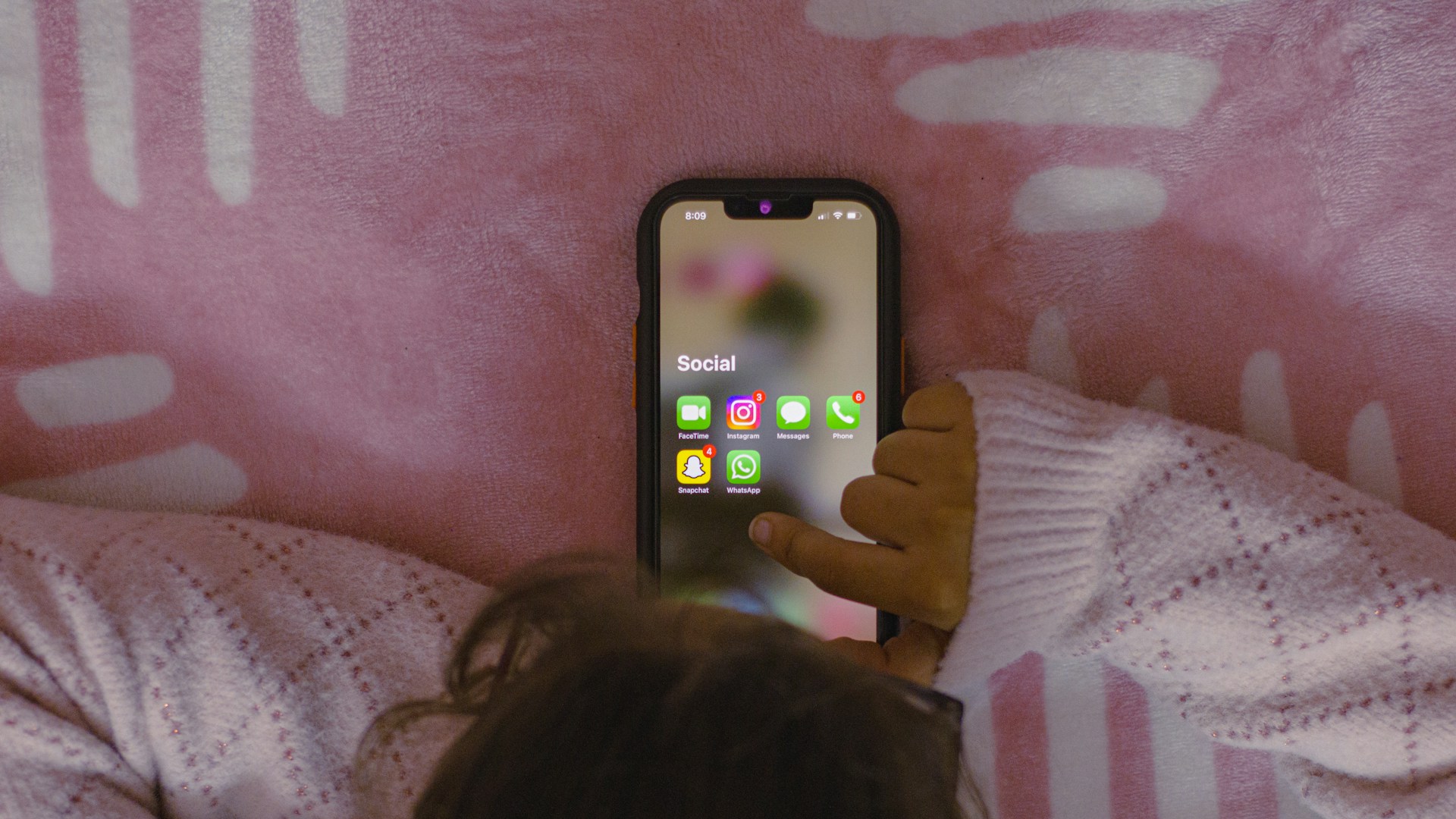
You know the feeling. You open your phone to check one thing, and 40 minutes later you're deep in a thread about something that's making you anxious, angry, or both. You put the phone down feeling worse than when you picked it up.
You're not alone. A 2024 Morning Consult survey of 2,200 U.S. adults found that roughly 31% of Americans doomscroll regularly — and among millennials, that number jumps to 46%. Meanwhile, research published in Computers in Human Behavior found that employees who doomscroll during work hours become measurably less engaged with their actual tasks.
So what do you do instead of doomscrolling? The key is replacing the habit with something that's just as easy to pick up in a spare moment — but leaves you feeling sharper instead of drained. Here are nine alternatives worth trying.
1. Read a five-minute newsletter instead of a news feed
The problem with scrolling news on social media is that algorithms optimize for outrage, not understanding. Curated newsletters give you the same awareness of what's happening in the world without the emotional spiral.
Morning Brew delivers a daily business news summary you can read in about five minutes. The Hustle does something similar with a sharper tech angle. TLDR covers tech news in short, linkable blurbs. All free, all designed to inform without hijacking your attention.
The difference: you read it, you're done, and you move on with your day.
2. Swap scrolling for micro-learning
Doomscrolling works because it's low-effort and fills small pockets of time — and because it delivers variety. One post about politics, one about a celebrity, one about a product you don't need. Your brain gets novelty on demand.
The reason most "productive alternatives" fail is they offer one thing. Read a book. Learn a language. Pick up coding. That's a commitment, not a replacement.
The alternatives that actually stick match the variety. Blinkist condenses nonfiction books into 15-minute reads. Brilliant breaks down STEM concepts into short interactive sessions. ThoughtBites is built specifically around this idea — five daily insights across five different topics (entrepreneurship, psychology, design, tech, and culture), sourced from real articles and reviewed by a human editor. You get the same novelty hit as a feed, but you close the app knowing something you didn't before.
The micro-learning market has grown to nearly $3 billion in 2025, and for good reason: short-form content that teaches beats short-form content that just entertains.
3. Listen to a short podcast episode
Not all podcasts are 90-minute marathon conversations. Some are designed for a commute, a coffee break, or a quick walk.
How I Built This by Guy Raz features founder stories in 20–40 minutes. The Daily Stoic delivers a philosophy lesson in under 10 minutes. HBR IdeaCast from Harvard Business Review covers business strategy in around 25 minutes.
If your scrolling habit hits hardest during commutes or downtime, queuing up a short episode before you reach for the feed makes a real difference.
4. Try a skill-building game
Your brain craves the quick dopamine loop of scrolling. Games that teach something can satisfy the same itch. The difference is you walk away with a skill instead of anxiety.
Duolingo is the obvious one — five minutes of language practice feels surprisingly similar to five minutes of scrolling, minus the dread. Brilliant turns math and logic into interactive puzzles. Chess apps like Chess.com or Lichess build strategic thinking in short sessions.
The pattern here: anything that gives you small rewards for small effort works as a scrolling replacement.
5. Write one paragraph in a journal or notes app
This doesn't need to be a grand journaling practice. Just open your notes app and write one paragraph — about what you're working on, something you learned, or an idea you had.
The reason this works: doomscrolling is passive consumption. Even a small amount of active creation — putting thoughts into words — shifts your brain out of that passive loop. Research on active learning versus passive consumption consistently shows that even brief creation exercises improve retention and clarity of thought.
You don't need a fancy app. Apple Notes, Google Keep, or Notion all work fine. The bar is one paragraph, not a diary entry.
6. Read one long-form article you actually chose
There's a difference between reading something an algorithm served you and reading something you deliberately picked. The first is reactive. The second is intentional.
Keep a read-later app like Pocket or Instapaper loaded with articles you've been meaning to get to. When the scrolling urge hits, open that instead of Twitter or Instagram. You'll still be reading on your phone, but you'll be reading something you selected for a reason.
This one small shift — from algorithmic content to curated content — changes the whole experience.
7. Take a 10-minute walk without your phone
This is the least "techy" option on the list, but it might be the most effective. A short walk without a screen resets your attention in a way that switching apps doesn't.
A Harvard Health review of doomscrolling's effects notes that extended scrolling sessions leave people sedentary, which compounds the mental health impact with physical effects like muscle tension, poor sleep, and headaches. A walk breaks all of those patterns at once.
You don't need to make it a big thing. Ten minutes around the block, phone on your desk.
8. Do one small thing on a side project
If you've been sitting on a business idea or creative project, doomscrolling time is borrowed time — you could redirect it. Not for a full work session, just one small task.
Write a single product description. Sketch a landing page layout. Research one competitor. Send one email. The point is momentum, not completion. Five minutes of progress on something that matters to you is worth more than 30 minutes of scrolling that matters to no one.
James, who founded ThoughtBites while working a 9-to-5, noticed exactly this pattern — how much time was disappearing into scrolling that could've gone toward learning the skills he needed to build something. The app came directly out of that frustration.
9. Set a "scroll budget" instead of going cold turkey
Complete abstinence rarely works with habits this deeply embedded. What works better: giving yourself a specific window.
Try allowing yourself 15 minutes of social media per day, at a time you choose — maybe after lunch. Outside that window, replace the habit with any of the alternatives above. Most phones let you set app time limits in the settings (Screen Time on iOS, Digital Wellbeing on Android).
The data supports this approach. Over 53% of Americans say they want to reduce their phone use, but the ones who succeed tend to replace the habit rather than just eliminate it. Give yourself a reasonable limit, and fill the rest of the time with something better.
The Bottom Line
Doomscrolling isn't a character flaw — it's a perfectly designed trap. Infinite scroll, algorithmic outrage, and variable rewards make it as hard to resist as it is easy to start. The answer isn't more willpower. It's better defaults.
Pick one or two alternatives from this list and try them for a week. The goal isn't to become a productivity machine. It's to feel a little sharper, a little calmer, and a little more in control of where your attention goes.
Doomscrolling isn't a willpower problem — it's a feed problem. ThoughtBites gives you the same dopamine hit (short, varied, new) but from curated sources that actually leave you smarter. Five insights daily across five different topics — entrepreneurship, psychology, design, tech, and culture. Real articles. Human-reviewed. Replace your morning scroll →